


Soil is the source of all things.
LOAM (noun) — a rich, fertile soil composed of sand, silt, and clay. The ideal growing medium. The ground from which things take root.
Built on a simple belief: when conditions are right, anything can grow.
We are a collective of makers, growers, readers, and local food producers — gathered in one beautiful, permanent place in Asheville.
BEHIND THE NAME
LOAM — that dark, rich, life-giving layer of earth where things grow.
Soil is the source of all things.
LOAM is built on a simple belief: when conditions are right, anything can grow. Give makers the right space, the right infrastructure, the right community — and watch what happens.


Built for makers at every stage.
LOAM is for anyone who makes something — with their hands, in a kitchen, on a page, or in the ground. If you are an artist looking for studio space, a food producer who needs a licensed kitchen, a grower with product to sell, a writer looking for a real community, or a reader who wants a bookshop worth sitting in — you belong here. We built this for Asheville's makers, and Asheville's makers built this city.

Artists & studio makers
Painters, ceramicists, printmakers, and mixed media artists. Open-plan shared studios with real infrastructure, natural light, and a community of working artists around you.

Food producers & kitchen makers
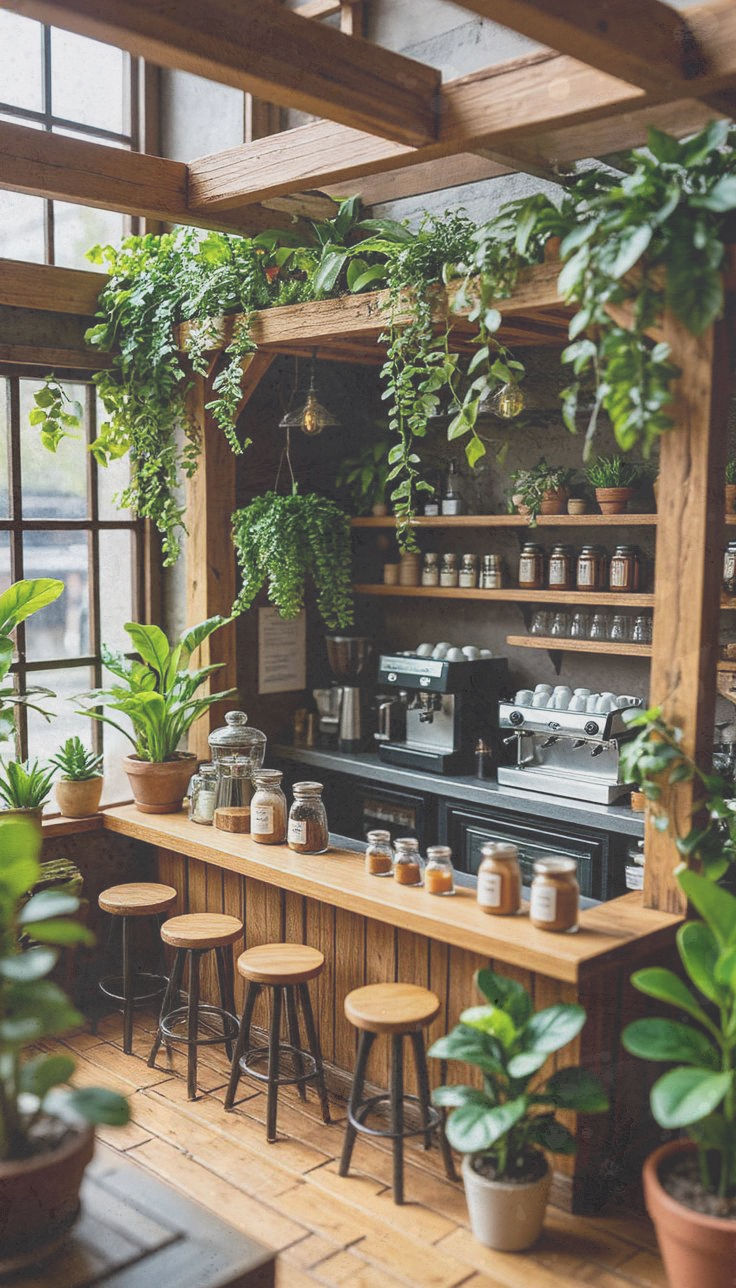
Cottage bakers, food truck operators, caterers, hot sauce and jam makers. A licensed commercial kitchen with three membership tiers — and a provisions market down the hall to sell what you make.

Growers & local vendors
Farmers, foragers, and local food makers who want a permanent retail home for their provisions — in a place where their customers already gather every week.

Readers, writers & literary community
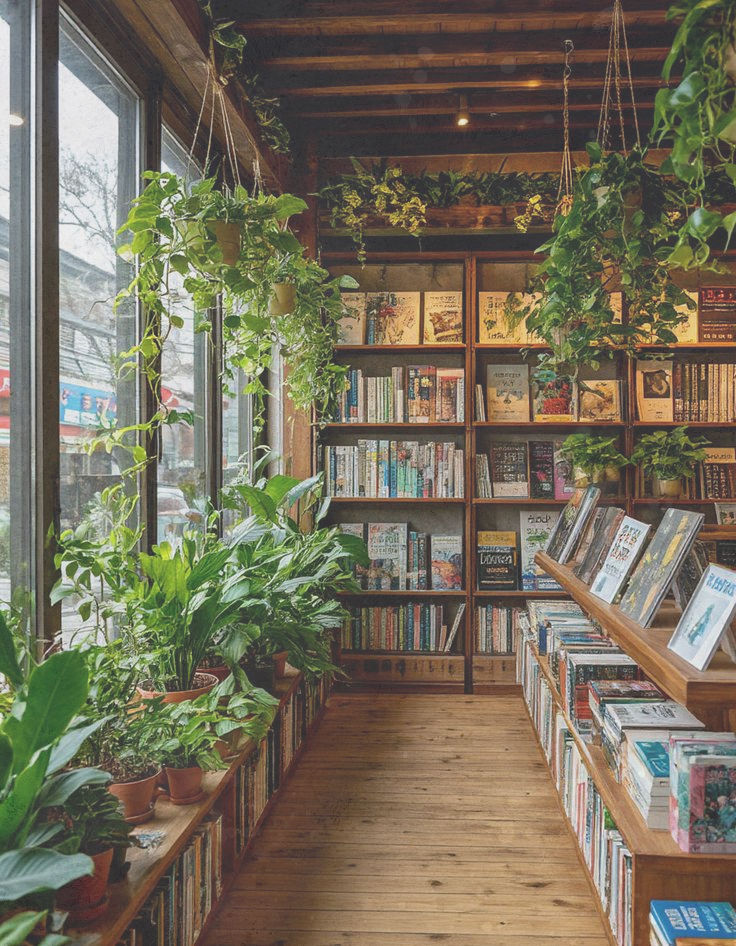
Writers at every stage, book lovers, and anyone who has been looking for a genuine literary gathering space. Book clubs, a weekly writers circle, author events, and a bookshop worth staying in.

.jpg)
OUR STORY
THE 1905 WESTALL BUILDING
"A piece of Asheville's architectural and cultural heritage, restored to active community use."
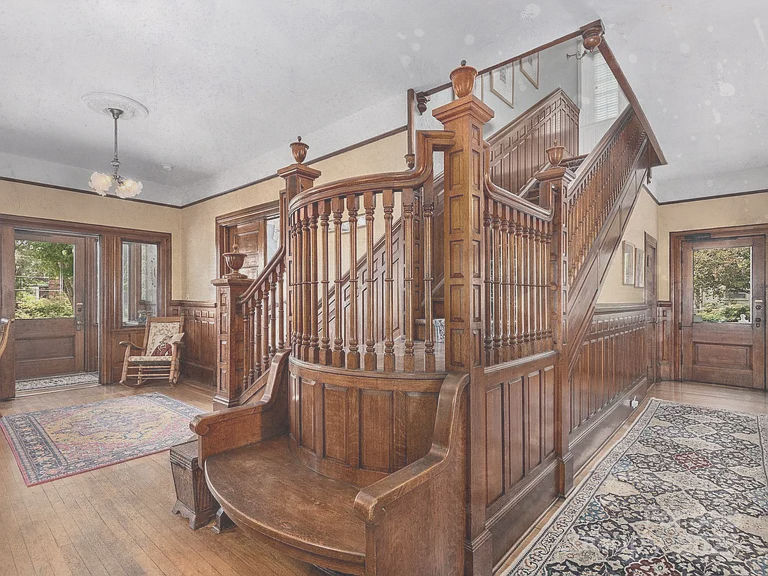
Built by J.M. Westall — uncle of novelist Thomas Wolfe — for local lawyer William R. Whitson, the building at 176 E Chestnut Street has stood at the heart of the Chestnut-Liberty Historic District for over 120 years. It is one of the finest examples of Colonial Revival architecture in Asheville, with tiger's-eye oak woodwork, eight original fireplaces, wide front porches, and a carved staircase that some believe was built by craftsmen from the Biltmore Estate itself.
For decades it operated as the beloved Chestnut Street Inn. After Hurricane Helene altered Asheville in 2025, the inn closed its doors. LOAM Founder, Sarah Watkins acquired the building and is spending 2026 restoring it — not as a hotel, but as a permanent home for the makers, growers, writers, and local food producers who define this city.
— the building's history isn't incidental to the story.
It is the story.

Eight Maker Spaces, One Ecosystem
Every space at LOAM is independently operated — its own owner, its own identity, its own front door. Together they form something the city genuinely needs: a place where you can make something, sell something, read something, eat something good, and run into the person who made the thing you just bought. Come for one reason. Stay for five more.




Where to find us
176 E Chestnut Street · Asheville, NC 28801
LOAM sits atop Chestnut Hill — one of Asheville's oldest and most architecturally significant neighborhoods, a ten-minute walk north from downtown. The brick sidewalks and mature trees along Chestnut Street are more than a century old. You can be at a dozen restaurants, City Bakery, or the Asheville Yoga Center in under five minutes on foot — and back in the quiet of the hill just as fast. It is the kind of location that used to be the natural home of creative community. We are bringing that back.

Sarah Watkins — Founder
“My mission is to restore balance, foster well-being, and create generational wealth that gives back — by strengthening the vital connections between community, small business, and the natural world.”
